
Plastic surgery
Liposuction
Removing fat does not automatically tighten stretched skin. Liposuction is not a reliable treatment for cellulite or sagging skin. If loose skin is the main concern, removing more fat may not produce the contour you want.

At a glance
Liposuction in Lahore
Liposuction removes fat from selected areas to change body contour. It is intended for localised fat deposits rather than general weight loss or treatment of obesity.
Your concerns
A localised area of fullness
People may consider liposuction for the abdomen, flanks, thighs, upper arms, neck or other areas that remain fuller despite a stable weight. The assessment distinguishes fat beneath the skin from loose skin and other causes of a bulge.
Overview
Skin quality affects the result
Removing fat does not automatically tighten stretched skin. Liposuction is not a reliable treatment for cellulite or sagging skin. If loose skin is the main concern, removing more fat may not produce the contour you want.
Consultation & suitability
Assess the area and your general health
Your surgeon reviews medical conditions, medicines, allergies, smoking and the proposed treatment areas. Discuss the change you want and what would count as worthwhile improvement. The extent of treatment influences the anaesthetic plan, recovery and whether an overnight stay is needed.
Treatment approach
Suction through small incisions
Fat removal
After anaesthesia, a narrow tube called a cannula is introduced through small skin incisions to remove fat.
Technique
Techniques differ in how the fat is prepared and removed.
Individual selection
A device name alone does not establish which technique is best for your anatomy.
Your treatment journey
Define the scope before surgery
Agree which areas will be treated and how they relate to the surrounding shape. Preparation may include tests and a clinician-directed medication plan. Arrange transport and help after treatment; even a day procedure involves a period of recovery.
Recovery & aftercare
Expect swelling before the contour settles
Bruising, soreness and swelling occur after treatment. Compression garments may be recommended. Return to work depends on the area and extent treated; some people resume light work within days, while larger procedures need longer. Follow the surgeon’s restrictions on exercise and lifting.
Results & expectations
Weight stability supports the new contour
Fat cells removed during liposuction do not return, but the procedure does not prevent weight gain. Remaining fat can enlarge and change the result. Early swelling can obscure the shape, so assess progress over time rather than immediately after surgery.
Risks & considerations
Contour irregularity is an important risk
Risks include uneven contours, fluid collections, numbness, infection and anaesthetic complications. Less common serious problems include fat embolism and injury to deeper structures. Risk rises with more extensive treatment or combined operations; the proposed scope should reflect your health as well as your goals.
Alternatives & related care
Choose the treatment for the actual concern
If overall weight is the concern, a weight-management approach is more appropriate. Marked loose skin may need a skin-removal procedure rather than liposuction alone. You can also decide that the expected change does not justify an operation.
Frequently asked questions
Questions before you decide
Will liposuction remove stretch marks?
No. Liposuction removes fat; it does not remove stretch marks or reliably correct the appearance of cellulite.
Can I treat several areas at once?
Sometimes, but a larger operation changes recovery and risk. The surgeon should explain whether combining areas or staging treatment is more appropriate.
How do I maintain the result?
A stable weight and sustainable eating and activity habits help preserve the contour. Liposuction is not protection against later weight gain.
Results & follow-up
How outcomes are assessed
A meaningful outcome is considered in context: your starting concern, the agreed treatment plan, recovery and review over time.
Assigned specialists
Your clinical team
Professor Dr. Farukh Aslam Khalid is the assigned specialist for surgical consultations for this treatment.

Your care at Laforma
Specialist-led care in a licensed hospital
Your consultation is matched to the appropriately qualified clinician for the concern and treatment being considered.
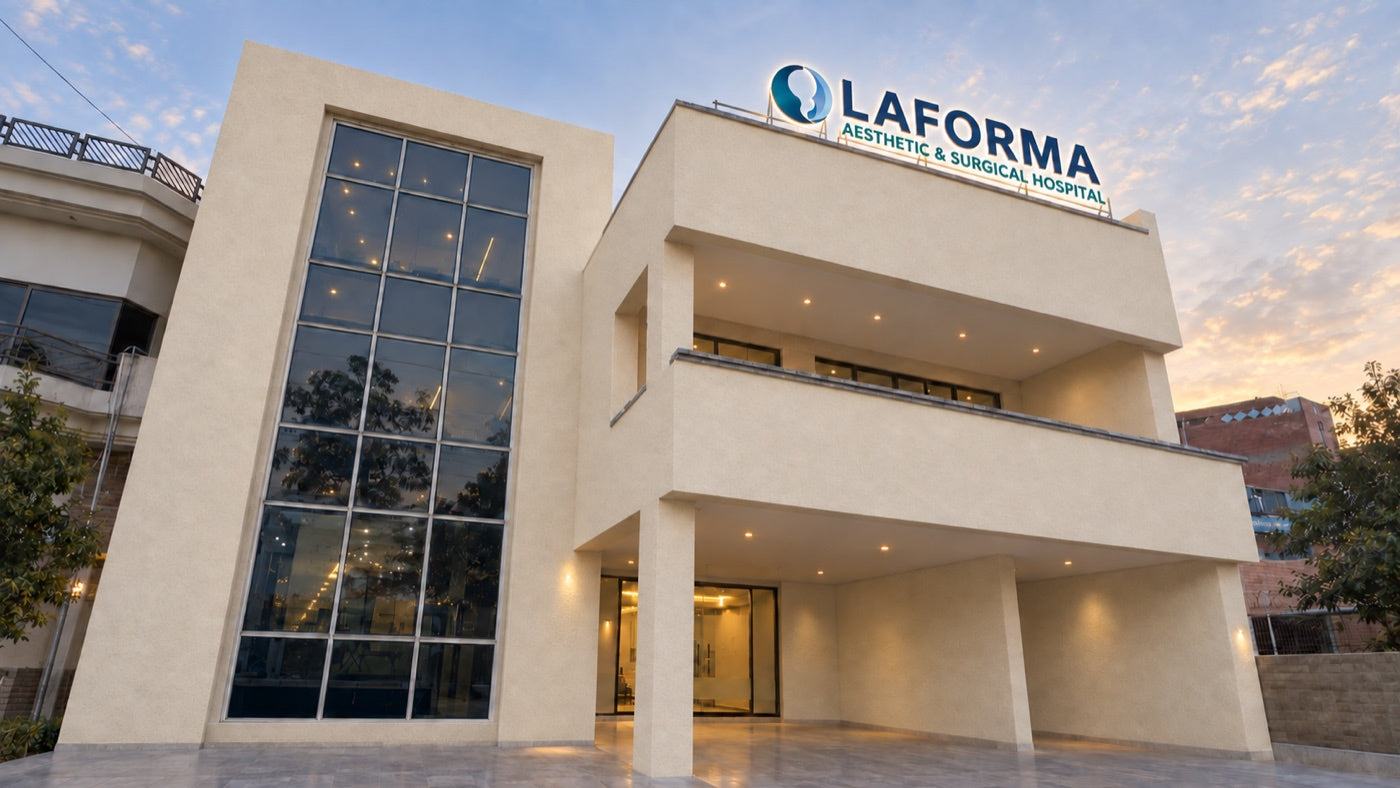
Laforma’s state-of-the-art facilities support consultation, treatment and follow-up within one coordinated hospital pathway.
Explore our facility Meet our specialistsYour next step
Start with a conversation, not a commitment
Request a consultation to discuss your concerns, suitability and the questions that matter to you.
Request a consultation