
Plastic surgery
Tummy tuck
A full tummy tuck treats a wider abdominal area and usually involves repositioning the belly button. A mini tummy tuck is more limited, typically addressing changes below the belly button. A smaller operation will not correct every concern above it.

At a glance
Tummy tuck in Lahore
A tummy tuck, or abdominoplasty, removes excess abdominal skin and fat. It may also tighten the connective tissue over separated abdominal muscles to improve the contour of the abdomen.
Your concerns
Loose skin after pregnancy or weight change
Pregnancy, substantial weight change and ageing can leave stretched abdominal skin or a persistent bulge. A tummy tuck can address selected structural changes, but it is not a weight-loss treatment.
Overview
The extent of loose skin guides the operation
A full tummy tuck treats a wider abdominal area and usually involves repositioning the belly button. A mini tummy tuck is more limited, typically addressing changes below the belly button. A smaller operation will not correct every concern above it.
Consultation & suitability
Timing matters
Tell the surgeon about previous abdominal surgery, smoking, medicines, weight changes and plans for pregnancy. Future pregnancy or substantial weight loss can alter the result, so postponing surgery may make sense. Health conditions and blood-clot risk also affect suitability.
Treatment approach
Skin removal and abdominal-wall repair
Tissue removal
The surgeon removes excess tissue through a lower abdominal incision.
Fascial repair
Where appropriate, stitches tighten the abdominal fascia.
Contouring
The remaining skin is repositioned and the wound closed. Liposuction may be considered separately or in combination; it addresses fat rather than loose skin.
Your treatment journey
Plan practical help during healing
Arrange transport and support at home before surgery. Getting up, caring for children and lifting can be difficult initially. Discuss time away from work and how much help you will need. The team should explain dressings, any drains and follow-up arrangements before discharge.
Recovery & aftercare
Recovery takes weeks
Expect soreness, swelling and a period of restricted activity. Strenuous exercise is commonly limited for four to six weeks, and some people need several weeks away from work. Gentle movement and your prescribed recovery plan matter; do not rush lifting because the skin looks healed.
Results & expectations
A flatter contour with a permanent scar
The lower abdominal scar is permanent, although it usually becomes less prominent with time. Swelling initially masks the result. Maintaining a stable weight helps preserve the change, but ageing and future pregnancy can affect the abdomen again.
Risks & considerations
Wound healing deserves particular attention
Risks include fluid collection, bleeding, infection, poor healing, tissue damage, persistent scarring and changes in sensation. Smoking increases healing problems. Anaesthetic and blood-clot risks need individual assessment. Seek prompt care for worsening wound symptoms and urgent help for chest pain or breathlessness.
Alternatives & related care
Distinguish fat, skin and muscle concerns
Exercise and weight management can improve fitness and body composition but may not remove a fold of excess skin. Liposuction may suit localised fat with better skin elasticity. Waiting until weight and pregnancy plans are settled is another valid choice.
Frequently asked questions
Questions before you decide
Will a tummy tuck remove all my stretch marks?
No. Only stretch marks on skin that is removed are taken away. Marks on the remaining skin can still be visible.
Is a mini tummy tuck always preferable?
No. Its limited reach may leave upper-abdominal loose skin untreated. The appropriate operation follows the distribution of the problem.
When can I lift children or exercise?
Plan help with lifting for several weeks. Clearance depends on the repair and your healing, not a single date that applies to everyone.
Results & follow-up
How outcomes are assessed
A meaningful outcome is considered in context: your starting concern, the agreed treatment plan, recovery and review over time.

Assigned specialists
Your clinical team
Professor Dr. Farukh Aslam Khalid is the assigned specialist for surgical consultations for this treatment.

Your care at Laforma
Specialist-led care in a licensed hospital
Your consultation is matched to the appropriately qualified clinician for the concern and treatment being considered.
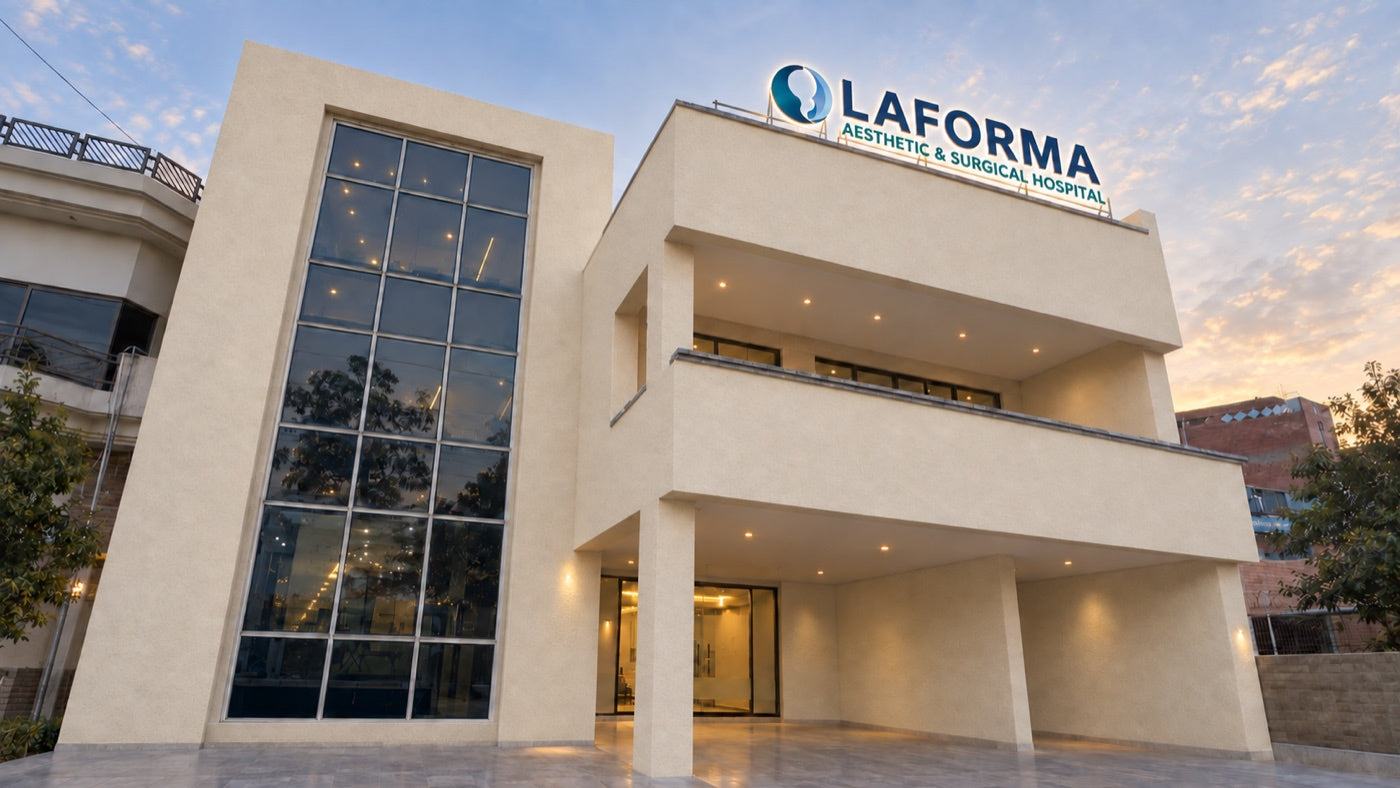
Laforma’s state-of-the-art facilities support consultation, treatment and follow-up within one coordinated hospital pathway.
Explore our facility Meet our specialistsYour next step
Start with a conversation, not a commitment
Request a consultation to discuss your concerns, suitability and the questions that matter to you.
Request a consultation