
Non-surgical · Platelet-based care
PRP therapy
Platelet-rich plasma consultation for appropriate hair or skin-related concerns, with recommendations based on clinical suitability.

At a glance
PRP therapy in Lahore
Platelet-rich plasma, or PRP, is prepared from a sample of your own blood. It concentrates platelets and is used in selected hair-loss and skin-treatment plans.
Your concerns
The reason for treatment matters
PRP may be considered for some people with pattern hair thinning. It is not a universal answer to every form of hair loss, and not everyone responds. Establishing the diagnosis is more useful than choosing a course of injections first.
Overview
Different uses have different evidence
The evidence for PRP is not the same across all cosmetic uses. It may help selected patients with hair loss, but evidence that it reliably reduces wrinkles or other signs of skin ageing is limited. A proposed skin treatment should be explained in that context.
Consultation & suitability
Review medicines, health and expectations
Discuss the concern, previous treatment, relevant health conditions and all medicines or supplements. Your clinician needs to assess whether blood collection and injections are appropriate. Agree what change will be monitored and when the plan will be reassessed.
Treatment approach
From a blood sample to targeted treatment
Preparing PRP
Blood is collected and spun in a centrifuge to separate a platelet-rich portion.
Scalp treatment
For hair treatment, this is injected into selected scalp areas.
Skin applications
In some skin procedures it is used with microneedling. These are different applications, not interchangeable promises of rejuvenation.
Your treatment journey
Preparation and a planned review
For scalp treatment, preparation can include arriving with clean hair and no styling products. The clinician explains comfort measures and aftercare for the application being used. Do not stop prescribed medication without advice from the clinician responsible for it.
Recovery & aftercare
Short-term irritation can occur
Soreness, bruising or swelling can follow blood collection and injections. Follow the clinician’s guidance on washing, products and activity. Using your own blood reduces some allergy concerns, but it does not remove the risks associated with needles or poor technique.
Results & expectations
Judge change over months
Hair improvement, when it occurs, develops gradually rather than immediately. An initial series and maintenance treatment may be discussed, sometimes alongside medical hair-loss treatment. The schedule should reflect response and diagnosis; a fixed number of sessions cannot guarantee regrowth.
Risks & considerations
An injection still has risks
Bleeding, infection, tissue injury and nerve injury are possible. Persistent or worsening pain, redness, swelling or fever warrants clinical assessment. Ask which benefits are reasonably supported for your proposed use and which remain uncertain.
Alternatives & related care
Compare options for your diagnosis
For pattern hair loss, medical treatments may be used instead of or alongside PRP. A transplant addresses coverage differently by moving follicles. For skin concerns, compare the proposed PRP treatment with the evidence for other available approaches before deciding.
Frequently asked questions
Questions before you decide
Is PRP a hair transplant?
No. PRP uses a prepared portion of your blood; a hair transplant physically moves follicles. Ask which problem the proposed treatment is intended to address.
Is PRP proven to reverse skin ageing?
No. Evidence for wrinkle reduction and other anti-ageing uses remains limited. Results should not be presented as certain.
Does using my own blood make it risk-free?
No. Blood collection and injections can still cause bleeding, infection or injury. Appropriate assessment and technique remain important.
Results & follow-up
How outcomes are assessed
A meaningful outcome is considered in context: your starting concern, the agreed treatment plan, recovery and review over time.


Assigned specialists
Your clinical team
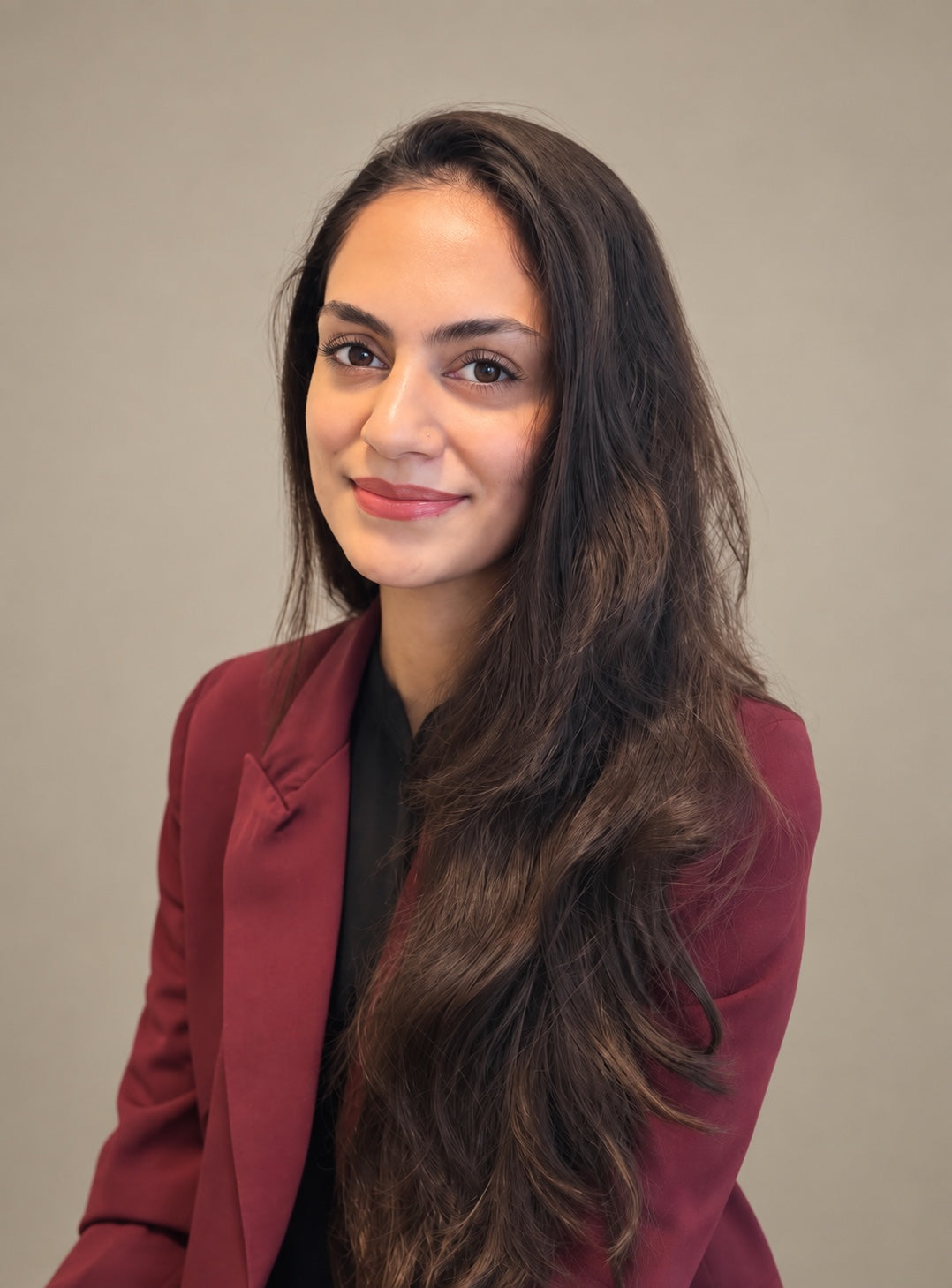
Non-surgical consultations for this treatment may be provided by Professor Dr. Farukh Aslam Khalid or Dr. Rida Naeem according to the concern and planned pathway.

Your care at Laforma
Specialist-led care in a licensed hospital
Your consultation is matched to the appropriately qualified clinician for the concern and treatment being considered.
Laforma’s state-of-the-art facilities support consultation, treatment and follow-up within one coordinated hospital pathway.
Explore our facility Meet our specialistsYour next step
Start with a conversation, not a commitment
Request a consultation to discuss your concerns, suitability and the questions that matter to you.
Request a consultation